
Q4 payroll prep isn’t a single task. It’s a stack of deadlines that all show up at once: year-end bonus runs, open enrollment changes syncing into payroll, a new Social Security wage base taking effect January 1, and W-2 forms that have to be accurate before the January crunch even starts.
Business owners who treat Q4 like any other quarter usually find out in January that something was missed, and by then, the fix is a lot more expensive than the prevention would have been. Getting ahead of it starts with knowing exactly what changes each year and building your calendar around those dates instead of guessing.
DynamicHR’s full-service payroll handles the wage base updates, benefit deduction changes, and year-end filings as part of the standard service, so Michigan business owners aren’t the ones tracking IRS and SSA publication dates every October.
Why Q4 Is the Riskiest Payroll Quarter of the Year
In most quarters, payroll repeats the last cycle. Same employees, same rates, same deductions. Q4 breaks that rhythm. Bonuses, holiday pay, final checks for seasonal staff, benefit changes, and new tax figures for the coming year all arrive within roughly 12 weeks.
Each of those changes is manageable on its own. The trouble is the overlap. The person reconciling bonus withholding in mid December is usually the same person confirming next year’s deduction amounts, and there’s rarely a second set of eyes checking either one.
Michigan adds a few local layers. The state minimum wage is scheduled to rise to $15.00 per hour on January 1, 2027, so hourly rates near the minimum need updating before the first pay run of the new year. Employers with staff who live or work in one of Michigan’s cities with a local income tax, such as Detroit, Grand Rapids, or Lansing, also have city withholding to reconcile. A year-end payroll checklist that skips these state and local items isn’t complete for a Michigan employer.
The Social Security Wage Base Change You Need to Plan Around
 Every year, the Social Security Administration adjusts the maximum amount of earnings subject to the 6.2% Social Security tax. For 2026, that taxable wage base is $184,500, up from $176,100 in 2025. Once an employee’s wages for the year pass that number, both the employee and the employer stop paying the Social Security portion of FICA for the rest of the year.
The Social Security wage base for 2027 is typically announced in October. Once it publishes, the new figure needs to be in your payroll system before the first pay date in January. Wages are taxed based on when they’re paid, so a December pay period with a January pay date falls under the new cap.
This matters most for businesses with higher earners, such as owners, commissioned sales staff, and senior managers. If the old cap stays in place, withholding stops at the wrong point. If the new cap is entered late, corrections flow into Form 941 filings and W-2 amounts. Medicare tax has no wage cap, and the additional 0.9% Medicare tax still applies to wages above $200,000, so that side of FICA keeps running all year.
Syncing Open Enrollment Changes Into Your December Payroll
Most calendar-year benefit plans wrap up open enrollment in November or early December, with new elections taking effect January 1. Every one of those elections changes a payroll deduction: medical premium shares, dependent adds and drops, HSA and FSA amounts, and retirement contribution percentages.
The gap between the benefits system and the payroll system is where errors live. If an employee drops dependent coverage and payroll keeps deducting the old premium, you owe a refund. If a new election never loads, the company may be paying premiums to the carrier that it never collects from the employee.
Retirement plans deserve their own check. Contribution limits for a 401(k) plan are adjusted annually, and employees who want to max out next year often change their deferral percentage during enrollment. Confirm the new limits once the IRS publishes them and make sure each updated election reaches the plan’s payroll feed. For the compliance side of enrollment, the DynamicHR Benefits Compliance Guide walks through the rules that apply to Michigan employers.
Bonus and Year-End Payroll Timing That Avoids Tax Surprises
Year-end bonuses are one of the most common sources of Q4 payroll problems, usually because they’re processed quickly and outside the normal payroll cadence. The IRS treats bonuses as supplemental wages. Employers can withhold federal income tax on them at a flat 22% rate, or 37% on supplemental wages above $1 million in a year, or combine them with regular wages and use the standard withholding tables.
Michigan income tax withholding and any applicable city income tax still apply to bonuses. Bonuses are also subject to Social Security and Medicare tax, which brings the wage base back into play. An employee already over the cap won’t owe Social Security tax on a December bonus, while an employee well under it will.
Timing matters as much as rate. A bonus paid on December 31 counts as 2026 wages. A bonus paid on January 4 counts toward 2027, which changes the W-2 it appears on and the wage base it counts against. Choose the pay date on purpose, tell employees when to expect it, and schedule the run early enough to review it before funds move.
Growing businesses should also watch headcount heading into the new year. Crossing certain employee thresholds changes which federal and state rules apply, a topic covered in more detail in the employee count nobody warns you about.
Getting W-2s Right the First Time
Form W-2 must be furnished to employees and filed with the Social Security Administration by January 31. When that date falls on a weekend, the deadline moves to the next business day. For the 2026 tax year, January 31, 2027 lands on a Sunday, which moves the deadline to Monday, February 1, 2027.
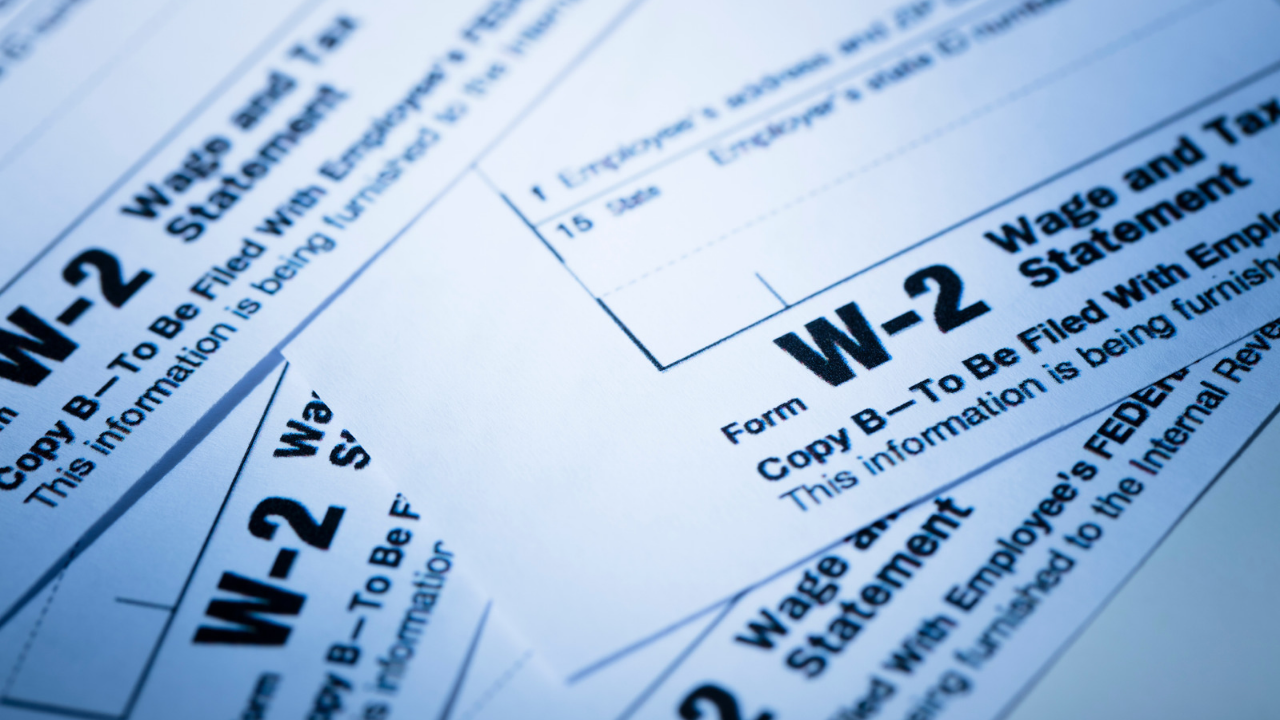 The accuracy of those forms is decided in Q4, not January. Before the last payroll of the year, confirm that employee names and Social Security numbers match their Social Security cards, verify mailing addresses, and review taxable fringe benefits, such as personal use of a company vehicle or group term life coverage above $50,000, that need to be included in wages.
Reconcile quarterly Form 941 totals against year-to-date payroll registers, and check that retirement deferrals, HSA contributions, and employer health coverage costs are coded to the correct W-2 boxes. Fixing a mismatch in December takes minutes. Fixing it after filing means issuing a Form W-2c, which costs time and credibility with employees.
What DynamicHR’s Payroll Service Handles for You
For many Michigan businesses, the real risk in Q4 isn’t a lack of knowledge. it’s that one or two people are expected to absorb every change during the busiest stretch of the year while still doing their regular jobs. DynamicHR’s payroll service is built to remove that dependency.
Wage base updates, withholding table changes, and state and local tax adjustments are applied automatically. Benefit elections sync into payroll deductions after open enrollment, bonus runs are processed with the correct tax treatment, and year-end filings, including W-2s, are prepared and filed on schedule. Michigan payroll compliance becomes part of the service instead of a separate project on your calendar.
If you’re weighing how much support your business needs, our breakdown of PEO vs. ASO in Michigan is a useful starting point. Both models can take payroll off your plate, with different levels of shared responsibility.
Frequently Asked Questions
When should Q4 payroll prep start?
Ideally, in October. That gives enough time to confirm next year’s Social Security wage base once the SSA publishes it, finalize open enrollment benefit changes before they need to sync into payroll, and plan bonus payroll timing around your last pay cycles of the year, instead of trying to fix all of it in the final two weeks of December.
What is the Social Security wage base for next year?
The 2026 Social Security taxable wage base is $184,500, up from $176,100 in 2025. The Social Security Administration typically publishes the following year’s figure in October. Payroll systems that don’t update this number correctly on January 1 will over-withhold or under-withhold Social Security tax on higher earners starting with the very first pay run.
When are W-2s due to employees?
W-2 forms must be furnished to employees and filed with the Social Security Administration by January 31, or the next business day if that date falls on a weekend. Getting employee data, benefit deductions, and year-end adjustments correct in Q4 is what makes hitting that January deadline realistic instead of a scramble.
What payroll mistakes happen most often at year-end?
The most common issues are outdated Social Security wage base figures, benefit deductions that were not updated after open enrollment, misclassified bonus payments, and W-2 data errors caught only after forms are already filed. Nearly all of these come from manual processes trying to absorb several simultaneous changes in a short window.

Q4 Rewards Preparation, Not Speed
The businesses that make it through Q4 cleanly aren’t the ones scrambling fastest in December. They’re the ones who started the checklist in October, confirmed the wage base change early, and had benefits synced into payroll well before the first bonus run.
If your current setup depends on someone remembering every one of these dates, our full-service payroll team can take that off your plate before year-end hits. Pair it with the DynamicHR Benefits Compliance Guide to make sure your open enrollment changes are compliant as well as accurate. Reach out now, while there’s still runway before your busiest payroll quarter begins.