
Employee benefits administration is not a once-a-year task; it’s an ongoing operational system that impacts compliance, employee satisfaction, and business costs every single month. For small and mid-sized businesses across Michigan, managing benefits can quickly become overwhelming. Between enrollments, terminations, life-event updates, premium reconciliation, and staying compliant with COBRA and ACA requirements, there are a lot of moving parts.
The challenge isn’t just the volume of work, it’s the timing and accuracy required. Miss a deadline or process something incorrectly, and it can create real consequences for both the business and employees.
This guide breaks benefits administration into a clear, repeatable system for 2026 covering monthly responsibilities, life-event changes, and renewal planning so your team knows what to do, when to do it, and how to avoid common mistakes.
What Employee Benefits Administration Includes (Plain English)
At its core, employee benefits administration is the process of managing everything related to employee benefits from enrollment to ongoing maintenance to compliance reporting.
This includes setting up benefits for new hires, processing changes when employees experience life events, managing terminations and COBRA notices, reconciling insurance invoices, and ensuring all reporting requirements are met.
It’s not just administrative work, it’s a system that connects HR, payroll, compliance, and employee experience. When done well, it runs quietly in the background. When it breaks down, employees notice immediately.
The Benefits Admin Workflow: Monthly Tasks You Must Not Miss
The most effective way to manage benefits is to treat it like a recurring operational workflow rather than a reactive task list. Each month should follow a consistent rhythm to keep everything accurate and up to date.
| Task Area | What Needs to Happen | Why It Matters |
| Enrollment Updates | Process new hires and eligibility changes | Ensures employees receive coverage on time |
| Terminations | Remove terminated employees and trigger COBRA notices | Prevents overpaying premiums and ensures compliance |
| Premium Reconciliation | Match carrier invoices to payroll deductions | Avoids billing errors and financial discrepancies |
| Payroll Deductions | Confirm benefit deductions align with elections | Ensures employees are paying the correct amounts |
| Carrier Communication | Send updates to insurance carriers | Keeps coverage records accurate |
| Reporting Review | Review internal reports for accuracy | Supports compliance and leadership visibility |
When this workflow is followed consistently, benefits administration becomes predictable. When it’s skipped or delayed, errors compound quickly.
Life Events: The Most Common Changes and Required Steps
Life events are one of the most common sources of confusion in benefits administration and one of the easiest places for mistakes to happen.
Employees experience qualifying life events throughout the year, such as marriage, divorce, the birth of a child, or loss of other coverage. These events allow them to make changes to their benefits outside of open enrollment, but they must be handled within specific timelines.
When a life event occurs, the process should be structured and consistent. This includes collecting documentation, updating elections in your system, notifying carriers, and adjusting payroll deductions accordingly.
The key is speed and accuracy. Delays can result in coverage gaps, while incorrect updates can lead to billing issues or employee frustration. Having a defined process ensures these changes are handled smoothly every time.
COBRA Administration: What Employers Need to Track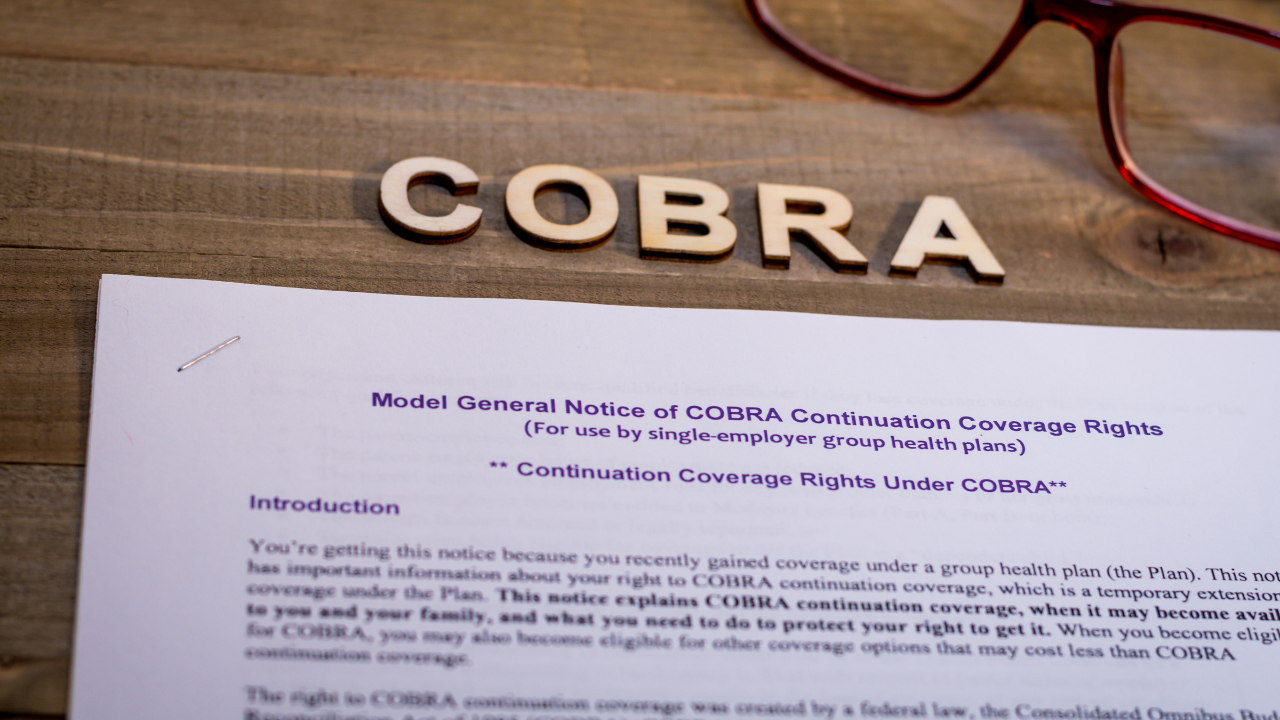
COBRA administration is one of the most compliance-heavy areas of benefits management. When an employee loses coverage due to termination or a reduction in hours, employers are required to provide continuation coverage options under COBRA.
This process involves sending timely notices, tracking election periods, managing premium payments, and coordinating with carriers to maintain or terminate coverage appropriately.
For SMBs without a dedicated HR team, this can be especially challenging. Deadlines are strict, and missing them can result in penalties.
The most important thing to remember is that COBRA is not a one-time task it’s an ongoing tracking process. Each eligible employee must be monitored through their election window and coverage period to ensure compliance at every step.
ACA Compliance Reporting: What to Collect and When
For businesses subject to ACA requirements, compliance reporting is another critical component of benefits administration.
This includes tracking employee eligibility, documenting coverage offerings, and preparing required forms such as 1095-C. Even for businesses that are not large enough to be classified as Applicable Large Employers (ALEs), maintaining accurate records is still important in case of audits or future growth.
The challenge with ACA reporting is that it requires consistent data collection throughout the year. Waiting until year-end to organize information often leads to errors and delays.
A better approach is to maintain clean, up-to-date records each month so reporting becomes a straightforward process rather than a last-minute scramble.
Renewals and Open Enrollment: How to Stay Organized
While benefits administration is ongoing, renewal season and open enrollment are still major milestones that require careful planning.
Renewals involve reviewing current plans, evaluating cost changes, and determining whether adjustments are needed. Open enrollment is when employees make their selections for the upcoming plan year.
The key to managing this successfully is preparation. Start early, communicate clearly with employees, and ensure all systems are ready to handle elections and updates.
When handled well, open enrollment feels organized and controlled. When handled poorly, it creates confusion, missed deadlines, and unnecessary stress for both employees and administrators.
Benefits Admin Mistakes That Create Cost and Confusion
Most benefits administration issues stem from inconsistency or a lack of process.
Common mistakes include failing to process terminations promptly, leading to overpaid premiums; not reconciling carrier invoices, creating financial discrepancies; and delaying life-event updates, which can result in incorrect coverage.
Another frequent issue is misalignment between payroll and benefits systems. When deductions don’t match elections, it creates confusion for employees and additional work for administrators.
These problems are rarely caused by a lack of effort; they’re usually the result of trying to manage a complex system without a clear, repeatable process.
Monthly Benefits Administration Checklist
To keep everything running smoothly, businesses should follow a consistent monthly checklist:
- Process all new hire enrollments and eligibility updates
- Remove terminated employees and initiate COBRA notifications
- Reconcile carrier invoices against payroll deductions
- Verify benefit deductions in payroll
- Update carriers with any changes
- Review internal reports for accuracy and completeness
This checklist acts as a safeguard against missed steps and helps ensure benefits administration stays on track throughout the year.
FAQs About Benefits Administration in Michigan
What is included in employee benefits administration?
It includes enrollment, changes due to life events, terminations, COBRA management, premium reconciliation, and compliance reporting, such as ACA requirements.
How often should benefits be reviewed or updated?
Benefits should be reviewed monthly for operational accuracy, with more comprehensive reviews during renewal and open enrollment periods.
What is the biggest risk in benefits administration?
The biggest risk is inconsistency—missing deadlines, failing to update records, or failing to reconcile data across systems can lead to compliance issues and employee dissatisfaction.
Do small businesses need to worry about ACA compliance?
It depends on size, but maintaining accurate records is important for all businesses, especially as they grow.
Should benefits administration be outsourced?
For many SMBs, outsourcing provides structure, compliance support, and efficiency without the need for a full in-house HR team.

Build a More Reliable Benefits Administration System
Benefits administration works best when you treat it as a repeatable system, not as a series of urgent tasks that you handle as they arise.
By standardizing monthly workflows, responding quickly to life events, and staying organized with COBRA and ACA requirements, businesses can reduce errors, control costs, and improve the employee experience.
If your team is stretched thin or spending too much time on manual benefits management, DynamicHR can help streamline employee benefits administration in Michigan through structured processes, dedicated support, and integrated technology.
Review our Employee Benefits and Pricing options, then reach out to discuss your current setup and next steps.